Cart
0
Vastu Considerations When Placing a Partition in Your Home

We're not vastu consultants, and if this matters a lot to you, the right move is always to check with one who knows your specific home's layout. But enough customers ask about this before ordering that it's worth covering the general guidance we hear most often.
A few points that come up repeatedly in conversations with customers who follow vastu principles. Partitions used to separate a pooja or prayer corner are generally placed so the deity or prayer space faces east or north, with the partition itself acting as a boundary rather than something positioned in the direct line of the main entrance. We cover that specific use case in more detail in partition ideas for a pooja room or prayer corner.
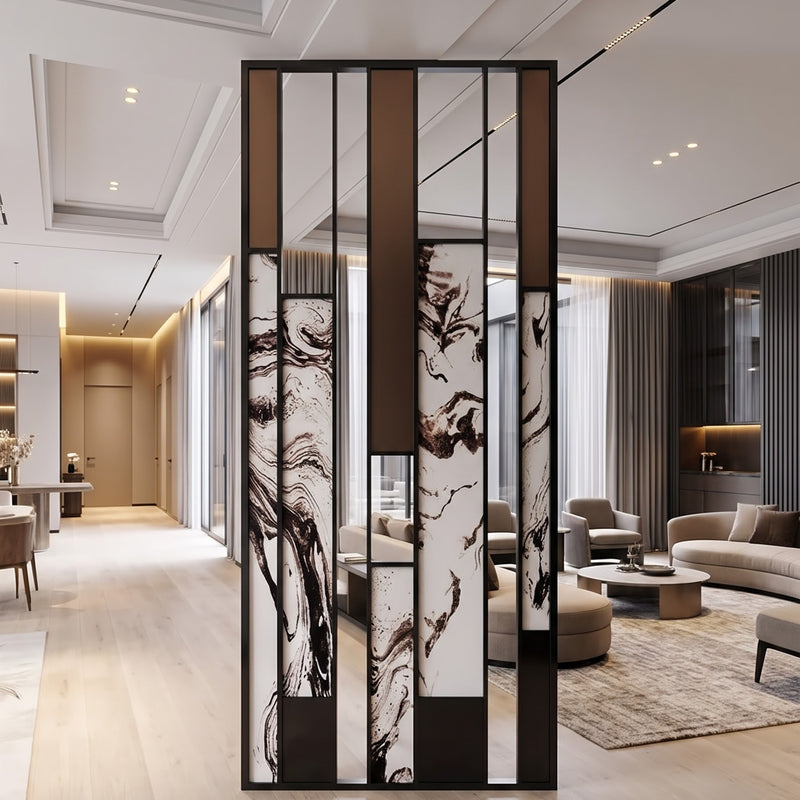
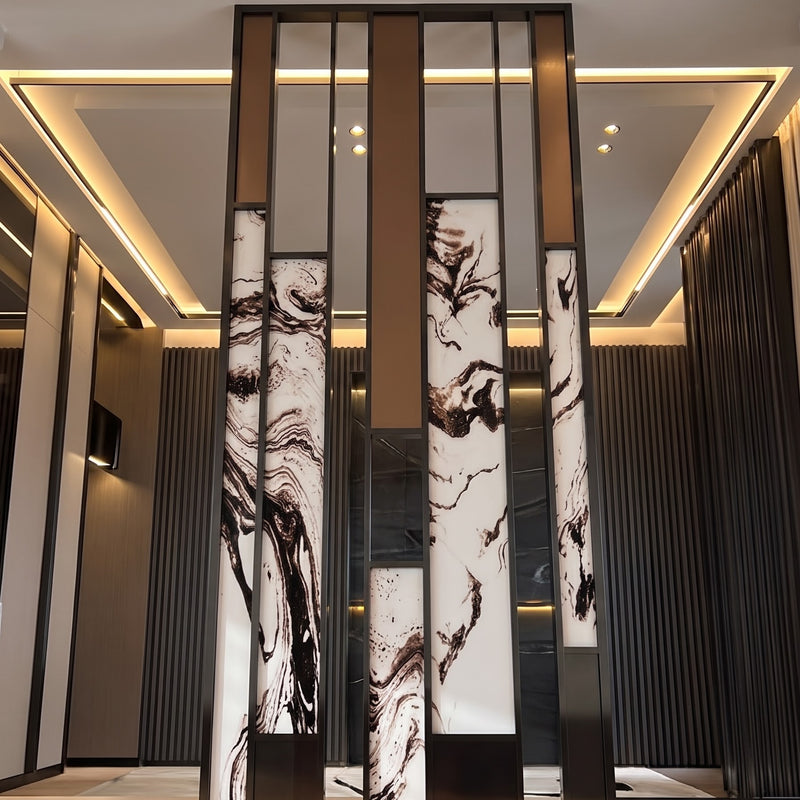
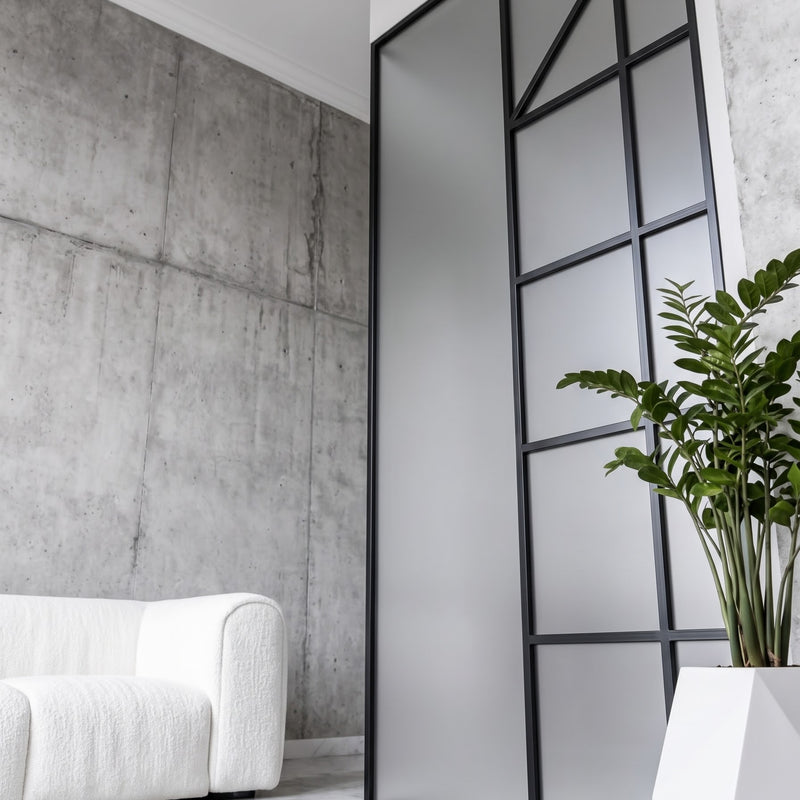
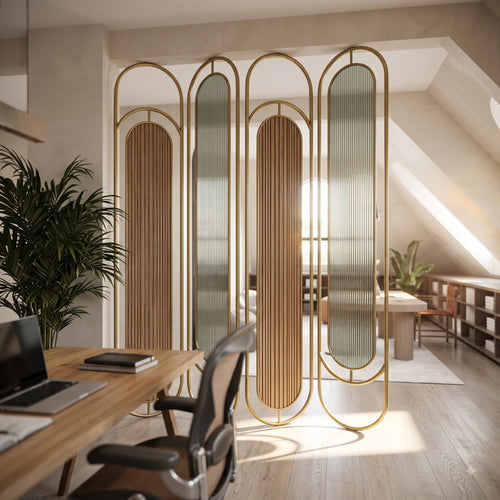
Material and element association comes up a lot too. Metal partitions, including PVD stainless steel designs, are often associated with the west or northwest zones of a home in vastu guidance, since metal is linked to those directions in traditional practice. Glass-panel partitions, by virtue of letting light and energy move through rather than blocking it fully, are a common choice for people who want a vastu-conscious divider between the living and dining area without a solid wall's full blocking effect.
Height and placement relative to the main door matters in most guidance we hear about too. A partition placed directly in line with the front door, fully blocking the view straight through the home, is generally avoided; an offset placement, or one with enough glass or openness to let sightlines and airflow continue, tends to be preferred.
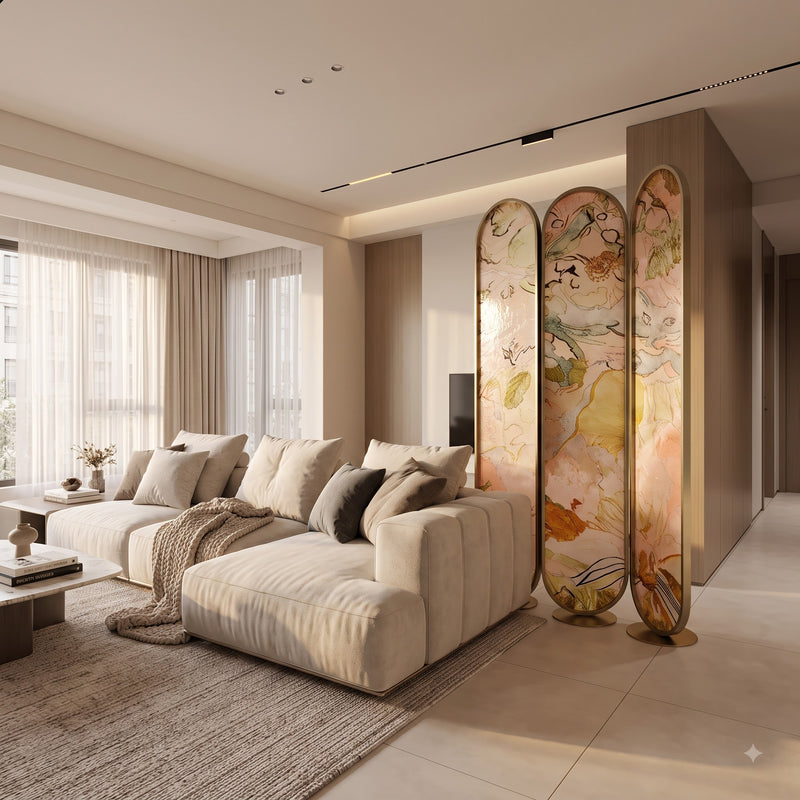
None of this is a substitute for a proper consultation if vastu compliance genuinely matters for your home. What we can speak to directly is the product side: our glass-panel partitions and full PVD Partitions range both include openness-forward designs if that's the direction your consultant points you toward. Every piece ships free across India with a 5-year warranty.